
Download Free Vegan Starter Kit -
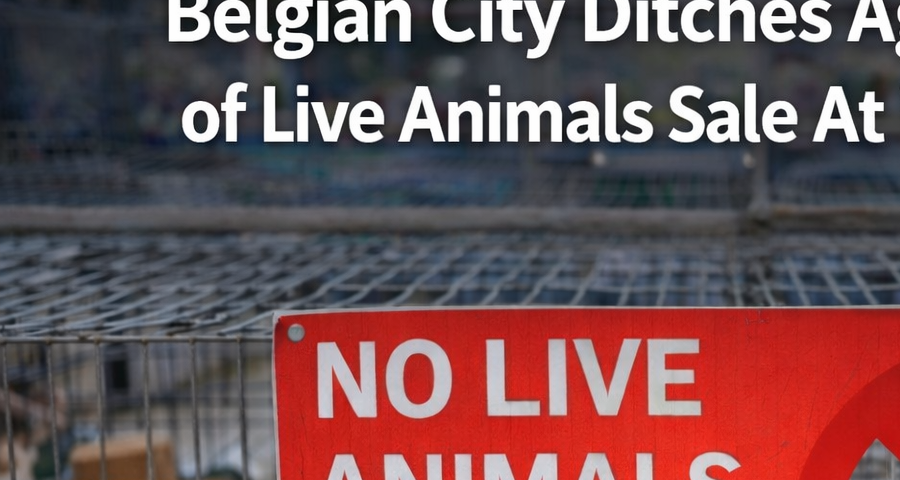
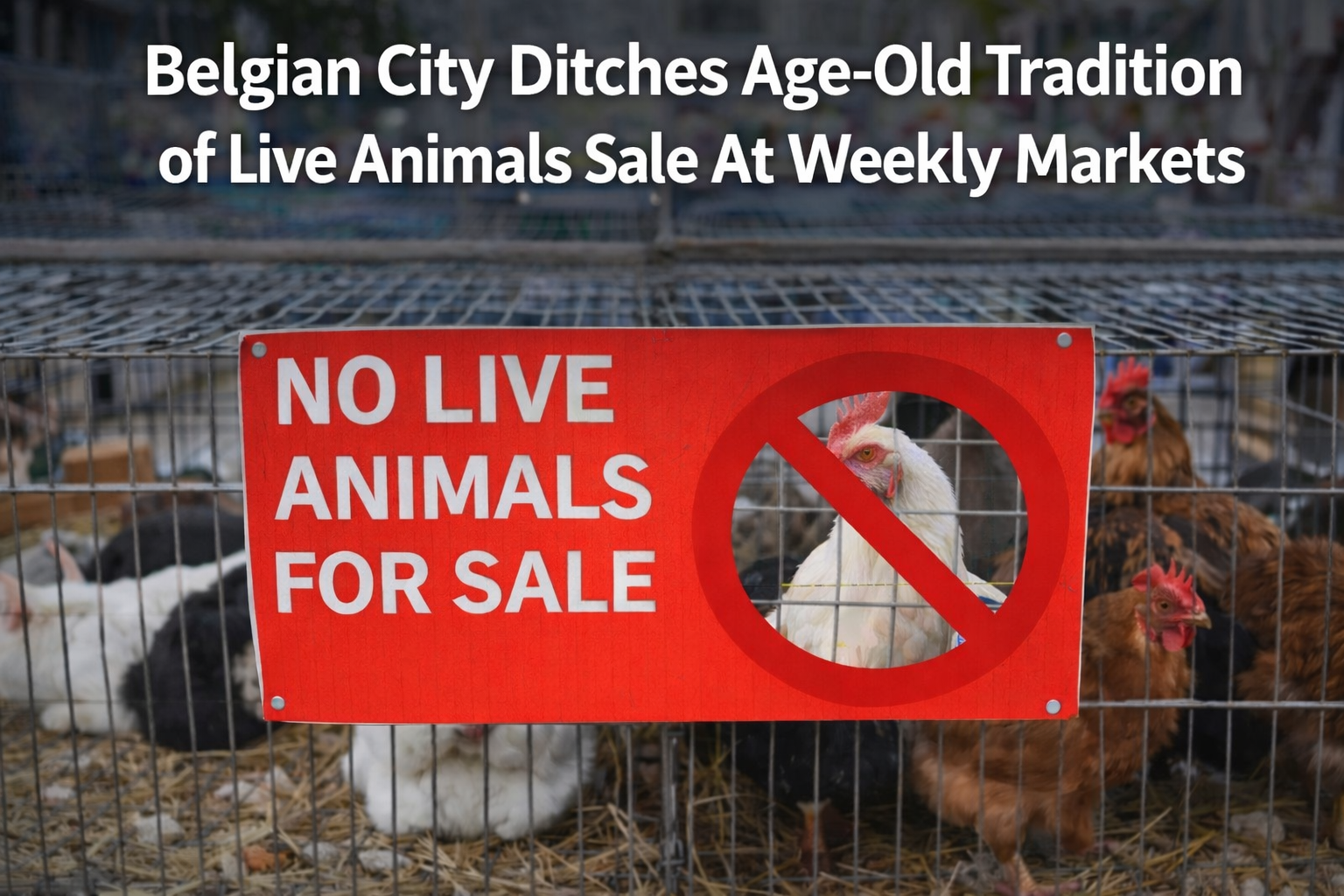
Belgian City Bans Age-Old Animal Cruelty Tradition in Thriving Live Flea Market Outside Brussels
January 7, 2026
In a landmark move for animal welfare, Flanders—the Dutch-speaking region of Belgium—has officially banned the sale of live animals, marking a significant shift in how animals are legally recognised and protected in Europe. The decision reinforces a growing global consensus: animals are not commodities, and selling them as products causes preventable suffering.
For the vegan and conscious-living community, this ban is more than a policy update—it is a reflection of changing values around animals, ethics, and responsibility.
What Does the Flanders Ban on Live Animal Sales Mean?
Under the new regulation, the sale of live animals—including pets and small animals—will no longer be permitted in shops, markets, fairs, or similar commercial settings across Flanders. This includes animals often sold casually, such as rabbits, birds, rodents, reptiles, and fish.
The objective is clear - To end impulse buying, reduce neglect and abandonment, and address the poor welfare conditions animals often face in commercial sale environments.
Instead of being sold as consumer goods, animals will now be placed only through regulated adoption channels, where care requirements, long-term responsibility, and animal well-being are prioritised.
Why the Sale of Live Animals Is a Welfare Issue
Animal welfare organisations have long highlighted the problems associated with selling live animals:
-
Animals are frequently kept in stressful, inadequate conditions
-
Buyers often lack information about species-specific needs
-
Impulse purchases lead to abandonment, neglect, or surrender
-
Animals are treated as products rather than sentient beings
For vegans, this ban aligns with a fundamental principle: no animal exists for human convenience or entertainment.
A Growing Shift in European Animal Protection Laws
Flanders is not acting in isolation. Across Europe, governments are increasingly acknowledging scientific evidence that animals experience pain, fear, stress, and social disruption.
In recent years:
-
Several EU countries have tightened regulations on pet shops and breeding facilities
-
Live animal sales at markets and fairs have faced growing restrictions
-
The legal recognition of animal sentience has expanded across multiple jurisdictions
The Flanders ban reflects a broader shift—from managing animal exploitation to actively preventing it.
By eliminating commercial sales, Flanders shifts the narrative from “buying” animals to caring for them. Adoption-based systems emphasise long-term commitment, education, and accountability—elements often missing in retail sales.
This model mirrors how society has begun rethinking other forms of animal exploitation, from circuses to fur farming.
As the world slowly moves toward more ethical frameworks, such decisions help lay the groundwork for a future where compassion is not optional, but institutionalised. For the vegan movement, it’s a reminder that progress happens when ethics, science, and public pressure align.
AUTHOR
trending

.jpg)



Be a Vegan First Informer
Send us buzzworthy news and updates


Explore
Contact Us
About Us
Stay Connected
Copyright ⓒ 2017-2023. VEGAN PASSION PRIVATE LIMITED. All Rights reserved.
For more information, please write to hello@veganfirst.com
Registered Office Address: 55, 2nd floor, lane 2, Westend Marg, Saidullajab, Near Saket Metro Station, New Delhi, Gadaipur, New Delhi South West Delhi, DL